
How to Use Mobile Health Apps for Daily Health Tracking
Introduction to Mobile Health Apps
In today’s fast-paced digital world, maintaining good health has become easier with the help of smartphones. Mobile health apps, also known as mHealth apps, allow users to monitor their daily activities, fitness levels, diet, and even mental health from one place. If you are wondering how to use mobile health apps for daily health tracking, this guide will walk you through everything in simple and practical language.
Platforms like virtualaia.com highlight how technology is transforming personal healthcare by making tracking accessible to everyone. Whether you are a beginner or someone already using apps, understanding the right way to use them can significantly improve your daily habits.
What Are Mobile Health Apps (mHealth)?
Mobile health apps are software applications designed to help individuals track, manage, and improve their health using smartphones or tablets. These apps collect data such as steps walked, calories consumed, sleep duration, and heart rate.
They work by combining sensors, manual input, and sometimes wearable devices to provide real-time feedback. The goal is simple: help users make better health decisions through continuous monitoring.
Why Daily Health Tracking Is Important
Preventive Healthcare
Tracking your health daily helps you identify problems early before they become serious. For example, noticing poor sleep patterns can help you adjust your routine before it affects your health.
Behavior Improvement
When you see your daily habits in numbers and graphs, it becomes easier to improve them. People tend to walk more or eat healthier when they track their progress.
Better Awareness
Daily tracking builds awareness. You understand what affects your energy levels, mood, and productivity.
Key Features of Mobile Health Apps
Mobile health apps come with several useful features that make them powerful tools. These include activity tracking, diet logging, sleep monitoring, reminders, and data analysis.
Here’s a quick overview:
| Feature | What It Does |
| Activity Tracking | Counts steps, workouts, calories burned |
| Nutrition Logging | Tracks food intake and calories |
| Sleep Monitoring | Measures sleep duration and quality |
| Reminders | Alerts for water, medicine, exercise |
| Data Insights | Shows trends through charts and reports |
These features work together to provide a complete picture of your health.
Types of Health Tracking Apps
There are different types of apps designed for specific health needs. Fitness apps focus on workouts and steps, while nutrition apps help you track calories and meals. Mental health apps allow mood tracking and stress management, and some apps are designed for managing chronic conditions like diabetes or blood pressure.
Choosing the right type depends on your personal goals.
How to Choose the Right Health App
Selecting the right app is very important. Not every app will suit your needs.
When choosing an app, consider:
- Your main goal (fitness, diet, sleep, or overall health)
- Ease of use and simple interface
- Compatibility with your phone or smartwatch
- User reviews and ratings
- Data privacy and security
Websites like virtualaia.com often emphasize the importance of choosing apps that balance usability and privacy.
Step-by-Step Guide to Using Mobile Health Apps
Understanding how to use mobile health apps for daily health tracking becomes easier when broken into steps.
Step 1 – Download and Install
Go to your app store and install a health app that matches your needs.
Step 2 – Create an Account
Sign up using your email or phone number.
Step 3 – Set Your Goals
Set realistic goals like daily steps or calorie intake.
Step 4 – Allow Permissions
Enable permissions such as location, motion tracking, or notifications.
Step 5 – Start Tracking
Begin your daily tracking journey by using the app regularly.
Setting Up Your Profile Correctly
Your profile is the foundation of accurate tracking. Enter correct information such as your age, weight, height, and activity level.
This helps the app calculate calories burned and provide personalized recommendations. Incorrect data can lead to inaccurate results, so take this step seriously.
Tracking Daily Activities (Complete Breakdown)
Physical Activity
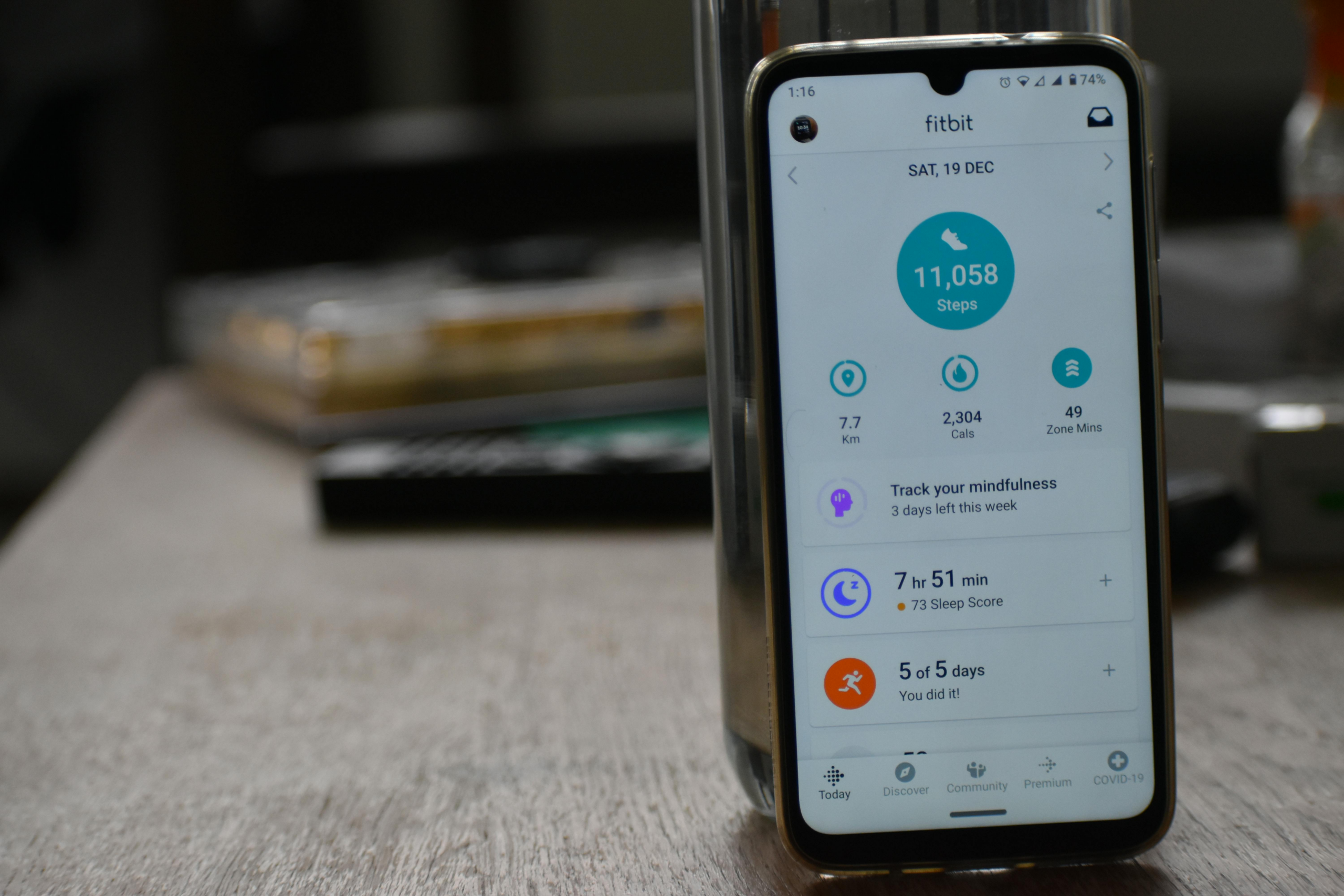
Most apps automatically track steps, distance, and workouts. This helps you stay active and meet your daily fitness goals.
Diet Tracking
You can log meals manually or scan barcodes. This helps you understand your calorie intake and nutritional balance.
Sleep Tracking
Apps track how long and how well you sleep. Good sleep is essential for overall health.
Mental Health Tracking
Some apps allow you to log your mood and stress levels. This is useful for emotional well-being.
Using Wearables and Device Integration
Mobile health apps become even more powerful when connected with wearable devices like smartwatches or fitness bands. These devices provide more accurate data such as heart rate, oxygen levels, and workout intensity.
Integration reduces manual effort and improves tracking accuracy.
Understanding Health Data & Analytics
Health apps present your data in charts and graphs. These visual insights help you understand trends over time.
For example:
- Weekly step count trends
- Sleep quality improvement
- Calorie intake patterns
Learning to interpret this data helps you make better decisions about your health.
Setting Realistic Health Goals
Setting achievable goals is key to long-term success. Instead of aiming for extreme targets, start small and improve gradually.
For example:
- Begin with 5,000 steps daily
- Increase water intake slowly
- Improve sleep schedule step by step
This approach prevents burnout and keeps you motivated.
Using Reminders and Notifications Effectively
Reminders are one of the most useful features. They help you stay consistent with healthy habits.
Common reminders include:
- Drinking water
- Taking medication
- Exercising
- Sleeping on time
These small notifications create big changes over time.
How to Stay Consistent with Tracking
Consistency is the biggest challenge. Many users start strong but lose interest.
To stay consistent:
- Check your progress daily
- Celebrate small achievements
- Use app rewards or streaks
- Keep your goals realistic
Consistency turns short-term tracking into long-term habits.
Benefits of Using Mobile Health Apps Daily
Using mobile health apps daily offers many advantages. You become more aware of your habits and can make better lifestyle choices. It improves discipline, supports fitness goals, and helps maintain overall well-being.
According to insights shared on virtualaia.com, regular tracking can lead to long-term behavioral changes and improved health outcomes.
Common Mistakes to Avoid
Many users make simple mistakes that reduce the effectiveness of these apps.
Some common issues include:
- Relying completely on app data without judgment
- Skipping daily tracking
- Setting unrealistic goals
- Ignoring app notifications
Avoiding these mistakes can improve your results significantly.
Data Privacy & Security Tips
Health data is sensitive, so protecting it is important.
Always:
- Use strong passwords
- Check app permissions
- Avoid sharing personal data publicly
- Choose trusted apps
Security should never be ignored when using digital health tools.
Advanced Tips for Better Results
Once you are comfortable using apps, you can take things to the next level. Combine multiple apps for different purposes, connect them with wearables, and track long-term trends.
Advanced users also share reports with healthcare professionals for better guidance.
Future of Mobile Health Apps
The future of mobile health apps looks promising. With advancements in artificial intelligence, apps are becoming smarter and more personalized.
Future trends include:
- AI-based health predictions
- Integration with telemedicine
- Real-time health monitoring
- Personalized health recommendations
Platforms like virtualaia.com continue to highlight how innovation is shaping the future of digital healthcare.
FAQs
1. Can mobile health apps replace doctor visits?
No, they cannot replace doctors but can support monitoring and early detection.
2. Do mobile health apps work without internet?
Some features work offline, but full functionality usually requires internet access.
3. Are free health apps reliable?
Many free apps are reliable, but premium apps often provide more advanced features.
4. How long should I track my health daily?
Even 5–10 minutes daily is enough if you stay consistent.
5. Can multiple health apps be used together?
Yes, using multiple apps for fitness, diet, and sleep can provide better results.
Conclusion
Understanding how to use mobile health apps for daily health tracking can completely transform your lifestyle. These apps act like a personal health assistant, helping you monitor your activities, improve habits, and stay motivated.
By choosing the right app, setting realistic goals, and staying consistent, you can achieve long-term health benefits. Remember, the key is not perfection but consistency. Start small, stay regular, and let technology guide you toward a healthier life.
- Designing Intuitive Dashboards for Taxi Dispatch Systems
- What Is Included in the UrgentCareKit.com Medical Emergency Kit? Complete Guide for 2026
- Does Hvacinriverview.com Install Heating Systems? A Complete Guide
- What Categories Are Available on Voddler.co.uk?
- What Features Does OneFramework Offer? A Complete Guide for Modern Web Development