
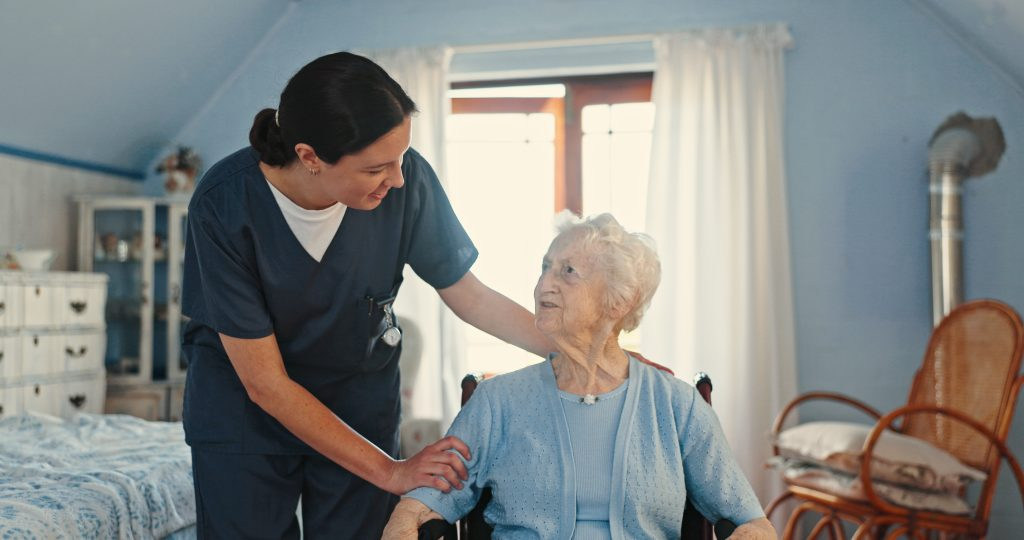
How to Take Care of Elderly Parents at Home (Complete Guide)
Caring for aging parents is both a responsibility and a privilege. Understanding how to take care of elderly parents at home is essential for ensuring their comfort, safety, and dignity. Many families today prefer home care over institutional care because it allows seniors to stay in a familiar environment. Platforms like troozer com often highlight practical caregiving strategies, and this guide builds on those ideas to give you a complete, easy-to-follow roadmap.
When you learn how to take care of elderly parents at home, you are not just managing their physical needs—you are also supporting their emotional well-being and independence. This comprehensive guide, inspired by insights similar to those shared on troozer com, will help you provide better care while avoiding common mistakes.
Understanding Elderly Care Needs
Before jumping into caregiving tasks, it’s important to understand what your elderly parents truly need. Aging affects people differently, so care should always be personalized.
Physical Needs
As people age, their bodies naturally become weaker. They may struggle with walking, balance, or chronic illnesses like diabetes or arthritis. Some may require assistance with daily activities such as bathing, dressing, or eating.
Emotional & Social Needs
Loneliness is a common issue among elderly individuals. They may feel isolated, especially if they are no longer socially active. Emotional care is just as important as physical care.
Cognitive Needs
Memory loss and confusion can occur due to aging or conditions like dementia. This requires patience, structured routines, and gentle communication.
Creating a Safe Home Environment
Safety should be your first priority when learning how to take care of elderly parents at home.
Fall Prevention
Falls are one of the biggest risks. You can reduce this risk by improving lighting, removing loose rugs, and installing handrails.
Room-by-Room Safety
| Area | Safety Improvement |
| Bathroom | Install grab bars, non-slip mats |
| Bedroom | Keep essentials within reach |
| Kitchen | Organize frequently used items |
| Stairs | Add railings and proper lighting |
Emergency Preparedness
Always keep emergency numbers accessible and consider using alert systems for quick response.
Daily Care Routine for Elderly Parents
A structured routine helps seniors feel secure and reduces confusion.
Sample Daily Routine
| Time | Activity |
| Morning | Hygiene, breakfast, medication |
| Afternoon | Rest, light activity |
| Evening | Dinner, relaxation |
| Night | Medication, sleep |
Consistency improves both mental and physical health.
Managing Health & Medical Needs
Health management is a critical part of how to take care of elderly parents at home.
Medication Management
Keep medicines organized using pill boxes and reminders to avoid missed doses.
Regular Monitoring
Check vital signs like blood pressure and sugar levels regularly.
Medical Records
Maintain a file of medical history, prescriptions, and doctor visits for easy access.
Nutrition and Meal Planning for Seniors
Good nutrition plays a vital role in elderly care.
Important Nutrients
- Protein for muscle strength
- Calcium for bone health
- Vitamins for immunity
Common Eating Challenges
Some elderly people face difficulty chewing or lose their appetite. Soft, easy-to-digest meals are ideal.
Supporting Mental & Emotional Well-being
Mental health is often overlooked but is crucial.
Ways to Support Emotional Health
- Spend quality time with them
- Encourage hobbies like reading or gardening
- Arrange family visits
Signs of Emotional Distress
Watch for mood swings, withdrawal, or lack of interest in activities.
Mobility, Exercise & Physical Activity
Physical activity keeps seniors active and reduces health risks.
Safe Exercises
- Walking
- Stretching
- Chair exercises
Even light exercise can improve mobility and mood.
Hygiene and Personal Care Assistance
Maintaining hygiene ensures comfort and prevents infections.
Key Areas of Care
- Bathing and grooming
- Oral hygiene
- Skin care
Be respectful and maintain their dignity while assisting.
Managing Chronic Illness & Special Conditions
Many elderly parents live with long-term health conditions.
Common Conditions
- Diabetes
- Heart disease
- Arthritis
Each condition requires specific care, including medication and lifestyle adjustments.
How to Care for Bedridden Elderly Parents
Bedridden care requires extra attention.
Essential Practices
- Change positions regularly
- Keep skin clean and dry
- Use supportive mattresses
Proper care prevents complications like bedsores.
Communication & Building Trust
Good communication strengthens relationships.
Tips
- Speak clearly and calmly
- Listen patiently
- Avoid arguments
Trust helps elderly parents feel safe and respected.
Encouraging Independence & Dignity
One of the most important parts of how to take care of elderly parents at home is allowing them to stay independent.
Encourage them to perform small tasks on their own and involve them in decisions. This boosts their confidence and mental well-being.
Financial Planning & Cost of Elderly Care
Caregiving can be financially challenging.
Common Expenses
- Medical bills
- Medications
- Home modifications
Planning ahead helps reduce stress and ensures better care.
Using Technology for Elderly Care
Technology can make caregiving easier.
Helpful Tools
- Medication reminder apps
- Emergency alert devices
- Health tracking apps
Many caregiving platforms like troozer com also emphasize the use of modern tools to improve care efficiency.
When to Hire Professional Caregivers
Sometimes professional help becomes necessary.
Signs You Need Help
- Frequent falls
- Memory issues
- Increased medical needs
Hiring trained caregivers can improve care quality.
Caregiver Stress & Self-Care Tips
Taking care of elderly parents can be stressful.
Tips for Caregivers
- Take breaks
- Ask for help
- Maintain your own health
Remember, you can only care for others if you take care of yourself.
Legal & Emergency Planning
Planning ahead avoids future complications.
Important Documents
- Medical consent
- Emergency contacts
- Financial authorization
Common Mistakes to Avoid
Avoid these common caregiving mistakes:
- Ignoring early warning signs
- Doing everything alone
- Neglecting emotional needs
FAQs (Additional Value)
1. How can I balance work and caring for elderly parents at home?
You can create a schedule, delegate tasks, and consider part-time caregivers to manage both responsibilities effectively.
2. What are the best ways to keep elderly parents mentally active?
Encourage activities like puzzles, reading, storytelling, and social interaction to keep their minds engaged.
3. How do I handle aggressive behavior in elderly parents?
Stay calm, identify triggers, and consult a healthcare professional if the behavior persists.
4. Is it better to care for elderly parents at home or move them to a facility?
It depends on their health condition. Home care is ideal for emotional comfort, while facilities may be better for advanced medical needs.
5. How can I improve sleep quality for elderly parents?
Maintain a regular sleep routine, reduce daytime naps, and create a comfortable sleeping environment.
Conclusion
Learning how to take care of elderly parents at home requires patience, planning, and compassion. From ensuring safety and managing health to supporting emotional well-being, every aspect plays a vital role in improving their quality of life. By following the strategies outlined in this guide and applying practical insights like those shared on troozer com, you can create a safe, loving, and supportive environment for your elderly parents while maintaining your own well-being.
- Designing Intuitive Dashboards for Taxi Dispatch Systems
- What Is Included in the UrgentCareKit.com Medical Emergency Kit? Complete Guide for 2026
- Does Hvacinriverview.com Install Heating Systems? A Complete Guide
- What Categories Are Available on Voddler.co.uk?
- What Features Does OneFramework Offer? A Complete Guide for Modern Web Development