
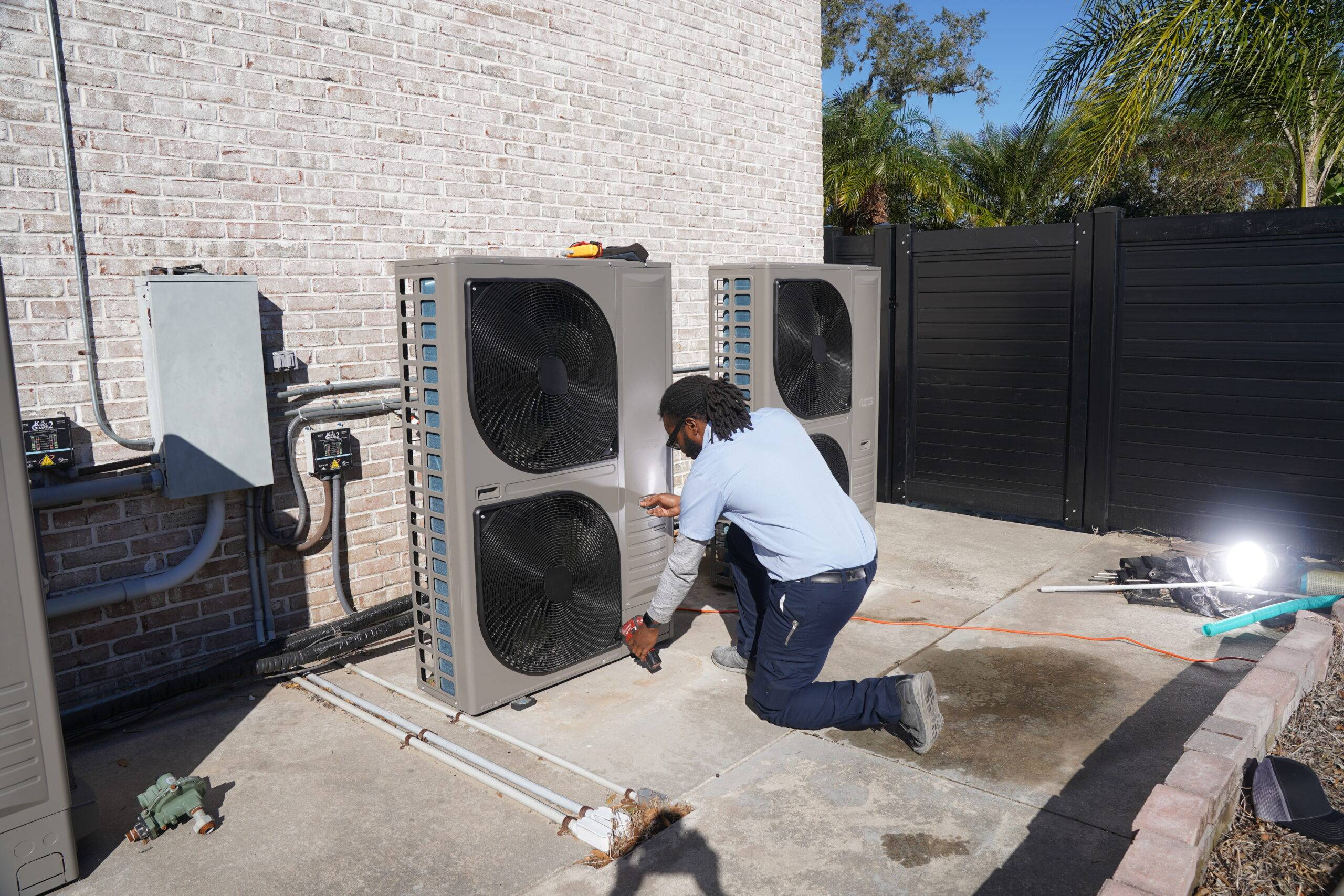
Does Hvacinriverview.com Install Heating Systems? A Complete Guide
Choosing the right heating system is one of the most important decisions for any homeowner or business. A reliable heating system keeps your indoor space warm, comfortable, and energy-efficient during colder months. However, many people are unsure where to find trustworthy HVAC professionals who can handle installation, maintenance, and repairs.
If you’ve been asking “Does Hvacinriverview.com install heating systems?”, you’re not alone. Many homeowners want to know whether the company offers professional heating installation services and what they can expect from the process. Understanding the services available can help you make a more informed decision when planning a new heating system or replacing an old one.
In this guide, we’ll answer the question Does Hvacinriverview.com install heating systems?, explain the heating installation process, discuss different types of heating systems, and highlight why professional installation is important for long-term comfort and efficiency.
What Is Hvacinriverview.Com?
Hvacinriverview.Com is an HVAC-focused platform that provides information and services related to heating, ventilation, and air conditioning. Whether you’re looking for a new heating system, maintenance advice, repair solutions, or energy-saving tips, the platform aims to help homeowners and businesses make informed decisions about indoor comfort.
HVAC systems are a major investment, so choosing the right equipment and ensuring proper installation is essential for long-term performance.
Does Hvacinriverview.com Install Heating Systems?
The answer is yes—if heating system installation is one of the services offered by Hvacinriverview.Com, it is intended to help customers install reliable and efficient heating solutions. These services may include evaluating your property’s heating needs, recommending an appropriate system, performing professional installation, and ensuring the equipment operates safely and efficiently.
Heating installation is more than simply placing a furnace or heat pump in a building. It involves planning, sizing the system correctly, connecting electrical or fuel lines where applicable, testing the equipment, and confirming that everything complies with local safety standards.
When considering any HVAC provider, it’s a good idea to confirm the specific installation services they currently offer, the brands they work with, and whether they serve your location.
Why Professional Heating Installation Matters
Installing a heating system is a technical job that requires knowledge, experience, and specialized tools.
Professional installation offers several benefits:
- Proper system sizing
- Safe installation practices
- Better energy efficiency
- Lower utility bills
- Improved indoor comfort
- Longer equipment lifespan
- Reliable performance
- Reduced repair costs
A correctly installed system performs better and experiences fewer problems over time.
Types of Heating Systems
Different properties require different heating solutions.
Here are some common heating systems that HVAC professionals often install.
1. Furnaces
Furnaces are one of the most popular heating systems for homes.
They work by heating air and distributing it through ductwork.
Benefits include:
- Fast heating
- Reliable performance
- Suitable for large homes
- Available in gas, electric, or oil models
2. Heat Pumps
Heat pumps provide both heating and cooling.
Instead of generating heat directly, they transfer heat from outside into the building.
Advantages include:
- High energy efficiency
- Year-round comfort
- Lower operating costs
- Environmentally friendly operation
3. Boilers
Boilers heat water and circulate it through radiators or underfloor heating systems.
Many homeowners appreciate boilers because they provide:
- Even heating
- Quiet operation
- Long service life
- Comfortable indoor temperatures
4. Ductless Mini-Split Systems
These systems are ideal for homes without existing ductwork.
Benefits include:
- Easy installation
- Individual room control
- Energy efficiency
- Flexible placement
5. Electric Heating Systems
Electric heating systems are commonly used in smaller homes, apartments, or areas with mild winters.
Advantages include:
- Simple installation
- Lower upfront cost
- Minimal maintenance
- Quiet operation
How Heating System Installation Works
Professional installation generally follows several important steps.
Step 1: Property Evaluation
The HVAC technician evaluates your property.
They consider:
- Home size
- Insulation
- Existing ductwork
- Climate
- Energy needs
- Budget
This assessment helps determine the most suitable heating system.
Step 2: System Recommendation
After evaluating the property, recommendations are based on:
- Energy efficiency
- Heating capacity
- Fuel availability
- Installation requirements
- Long-term operating costs
Choosing the right-sized system is critical for comfort and efficiency.
Step 3: Removing Old Equipment
If replacing an existing heating unit, technicians safely disconnect and remove the old system before installing the new one.
Step 4: Installing the New System
The new equipment is carefully installed according to manufacturer guidelines and local building codes.
This may involve:
- Connecting ductwork
- Electrical wiring
- Gas or fuel connections (where applicable)
- Thermostat installation
- Ventilation adjustments
Step 5: System Testing
Once installation is complete, technicians test the system to ensure everything works correctly.
They check:
- Airflow
- Temperature output
- Safety controls
- Thermostat accuracy
- System efficiency
Step 6: Customer Guidance
A professional installer usually explains:
- Basic operation
- Thermostat settings
- Maintenance recommendations
- Filter replacement
- Energy-saving tips
Understanding your system helps maintain peak performance.
Signs You May Need a New Heating System
Many homeowners delay replacing aging equipment.
However, certain warning signs indicate it may be time for an upgrade.
These include:
- Frequent repairs
- Rising energy bills
- Uneven heating
- Strange noises
- Poor airflow
- System age over 15–20 years
- Difficulty maintaining temperature
- Unusual odors
Replacing an outdated system often improves both comfort and energy efficiency.
Benefits of Installing a Modern Heating System
Today’s heating systems offer many improvements compared to older equipment.
These include:
Better Energy Efficiency
Modern systems consume less energy while producing better heating performance.
Lower Utility Bills
Efficient equipment often reduces monthly heating costs.
Improved Comfort
New systems maintain more consistent indoor temperatures.
Quieter Operation
Modern equipment generally operates much more quietly.
Smart Thermostat Compatibility
Many heating systems work with smart thermostats, allowing remote control and automated scheduling.
Better Indoor Air Quality
Some systems include advanced filtration that helps reduce dust and allergens.
How to Choose the Right Heating System
Every property has unique heating requirements.
Before selecting a system, consider:
- Home size
- Climate
- Budget
- Energy efficiency ratings
- Fuel type
- Installation cost
- Maintenance requirements
- Warranty coverage
Consulting experienced HVAC professionals can make this decision much easier.
Maintaining Your Heating System
Regular maintenance helps extend the life of your heating equipment.
Simple maintenance tasks include:
- Replacing air filters
- Cleaning vents
- Checking thermostat settings
- Scheduling annual inspections
- Keeping outdoor units clear
- Monitoring unusual sounds
- Addressing repairs promptly
Preventive maintenance reduces the likelihood of expensive breakdowns.
Why Homeowners Trust Professional HVAC Services
Professional HVAC companies provide more than installation.
They also help with:
- Heating repairs
- Preventive maintenance
- Energy efficiency advice
- Indoor comfort solutions
- Equipment upgrades
- Emergency service (where available)
- System inspections
Working with experienced professionals provides peace of mind throughout the life of your heating system.
Why Choose Hvacinriverview.Com?
If you’re researching Does Hvacinriverview.com install heating systems?, the platform can be a useful starting point for learning about heating solutions and HVAC services. Depending on the services available in your area, Hvacinriverview.Com may assist with:
- Heating system installation
- HVAC consultations
- Equipment recommendations
- Maintenance guidance
- Energy-saving information
- Indoor comfort solutions
Before scheduling a project, it’s always wise to confirm service availability, request an estimate, and ask about warranties and maintenance plans.
Final Thoughts
So, does Hvacinriverview.com install heating systems? If heating installation is one of the services offered, the platform can help homeowners and businesses move toward a more comfortable and energy-efficient indoor environment. A professionally installed heating system can improve performance, reduce energy costs, and provide dependable warmth for years to come.
Whether you’re replacing an aging furnace, installing a heat pump, or exploring other heating options, choosing the right system—and ensuring it’s installed correctly—is one of the best investments you can make in your property. Hvacinriverview.Com can also serve as a valuable source of information for understanding HVAC systems, maintenance, and energy-efficient heating solutions.
Frequently Asked Questions (FAQs)
1. Does Hvacinriverview.com install heating systems?
If heating installation is among the services offered, Hvacinriverview.Com can assist with selecting and installing suitable heating systems for homes or businesses. Always confirm the specific services available in your location before scheduling work.
2. What types of heating systems can HVAC professionals install?
Common options include gas furnaces, electric furnaces, heat pumps, boilers, and ductless mini-split systems, depending on your property’s needs and local climate.
3. How do I know if I need a new heating system?
Frequent repairs, rising energy bills, uneven heating, unusual noises, and an older system (typically 15–20 years or more) are common signs that replacement may be worth considering.
4. Why is professional installation important?
Professional installation helps ensure the system is correctly sized, safely connected, energy-efficient, and compliant with local codes, which can improve performance and extend its lifespan.
5. How often should a heating system be serviced?
Most manufacturers and HVAC professionals recommend scheduling maintenance at least once a year, ideally before the heating season begins, to keep the system running efficiently and safely.
- Designing Intuitive Dashboards for Taxi Dispatch Systems
- What Is Included in the UrgentCareKit.com Medical Emergency Kit? Complete Guide for 2026
- Does Hvacinriverview.com Install Heating Systems? A Complete Guide
- What Categories Are Available on Voddler.co.uk?
- What Features Does OneFramework Offer? A Complete Guide for Modern Web Development