
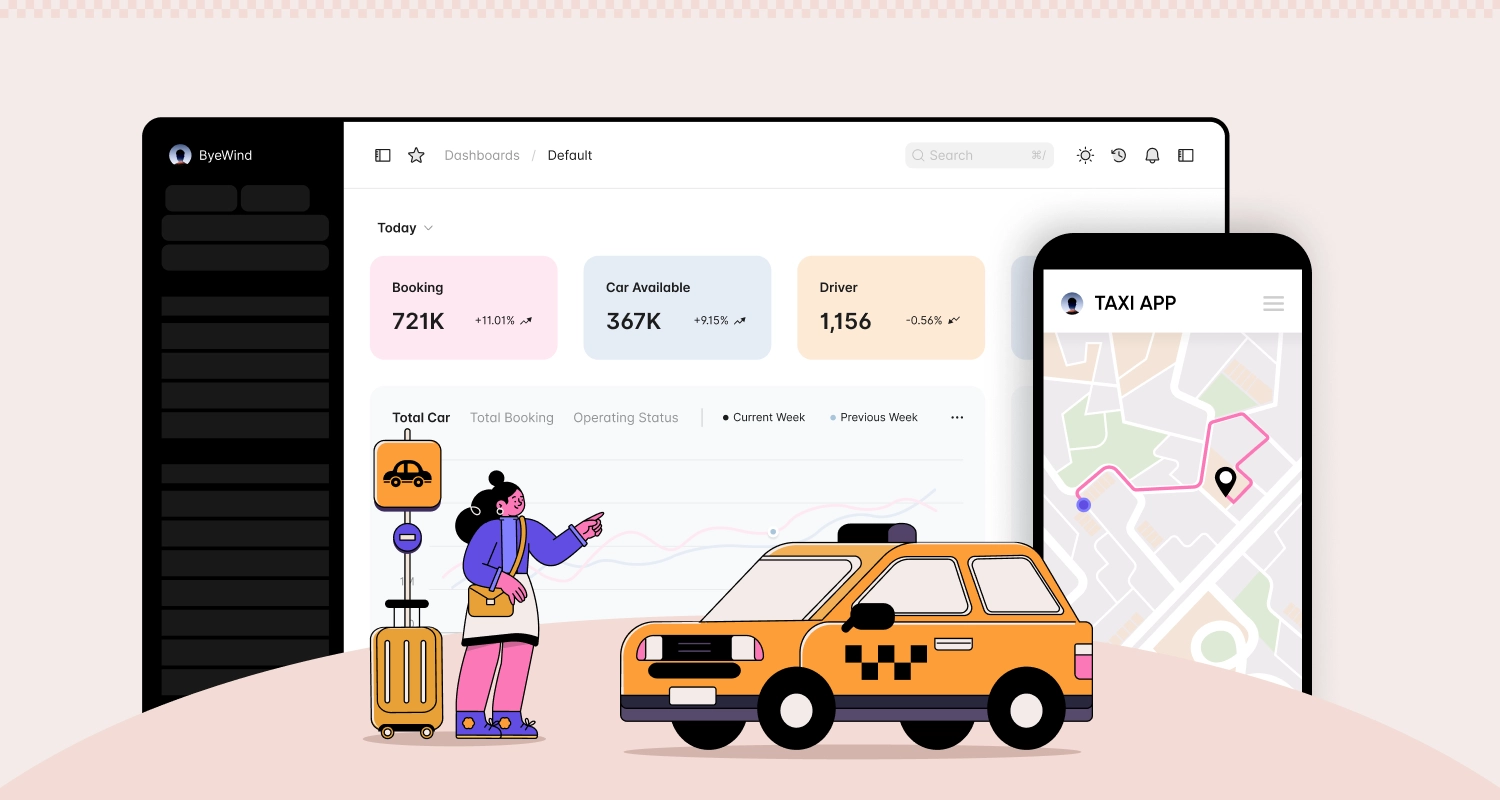
Designing Intuitive Dashboards for Taxi Dispatch Systems
Key Takeaways
- Intuitive dashboards streamline fleet management and improve dispatcher efficiency.
- Incorporating real-time data and user-friendly interfaces enhances decision-making.
- Adopting best practices in dashboard design leads to improved service quality and customer satisfaction.
In the rapidly evolving world of urban transportation, intuitive dashboards have become fundamental for managing taxi dispatch operations effectively. Serving as the nerve center for fleet control, these dashboards empower dispatchers to oversee vehicle movement, make data-driven decisions, and maintain smooth operations. Leveraging a modern taxi dashboard allows dispatchers to seamlessly monitor crucial metrics and deliver swift, reliable service to users and drivers alike.
Dispatch teams face increasing demands for real-time responses and operational clarity. Dashboards that present actionable data, easy navigation, and immediate vehicle visibility can significantly streamline daily routines. Equipping fleets with such technology not only minimizes dispatcher stress but also maximizes ride assignment efficiency and service quality, ultimately resulting in heightened customer satisfaction and business growth.
An intuitive dashboard brings powerful benefits to any taxi company. From faster ride assignments and enhanced fleet tracking to actionable insights and the resolution of customer concerns, it serves as the nerve center of an organization’s daily operations. Efficiency and clarity in taxi dispatch not only benefit backend staff but also ripple through to drivers and passengers, improving service in a competitive mobility market. By focusing on both the user interface and the underlying functionalities, operators can ensure that dispatchers and drivers enjoy a frustration-free workflow. Staying current with dashboard best practices and learning from industry leaders can differentiate a taxi company in service reliability and adaptability.
Importance of Intuitive Dashboards
An intuitive taxi dispatch dashboard is essential in today’s urban mobility landscape. It centralizes core operations, including ride assignment, fleet location tracking, and driver scheduling. By reducing cognitive load on dispatchers, intuitive dashboards support faster decisions and minimize the risk of human error. Dispatchers can quickly review real-time fleet status, identify bottlenecks, and proactively respond to surges in demand, fostering more reliable, customer-oriented service. Efficiency gained from effective dashboards has a direct impact on fleet utilization rates and customer retention. Operational visibility eliminates unseen delays and enables dispatchers to maximize resource allocation. Ultimately, an intuitive dashboard builds a foundation for high-quality service that meets the expectations of modern passengers and drivers.
Essential Features of a Taxi Dispatch Dashboard
To successfully manage their operations and deliver timely rides, taxi companies must prioritize key features in dispatch dashboards:
- Real-Time GPS Tracking: This feature provides a dynamic map view, allowing dispatchers to monitor active vehicles and reroute them based on traffic or demand spikes.
- Automated Ride Assignment:Advanced algorithms match incoming ride requests to the nearest available drivers, minimizing passenger wait times and optimizing routes.
- Driver Performance Metrics:Dashboards display statistics such as completed trips, ratings, idle time, and safety data, supporting effective driver management and incentivization.
- Customer Interaction Tools:Integrated chat and call options allow dispatchers to resolve passenger issues directly and ensure seamless communication between all stakeholders.
- Analytics and Reporting: Analytical modules present trends in ride requests, peak demand periods, and driver efficiency, supporting strategic planning and continuous improvement.
Including these essential elements gives operators a holistic view of daily challenges and opportunities.
Best Practices in Dashboard Design
For any dispatch dashboard to be effective, it must follow several design best practices:
- Simplicity and Clarity: The use of a clean layout and intuitive navigation is critical. Avoiding clutter and presenting information in digestible formats ensures dispatchers can process data quickly.
- Consistency: Maintaining uniform colors, fonts, and iconography minimizes user confusion and makes the interface more visually appealing.
- Responsiveness: Dashboards must function seamlessly across desktops, tablets, and smartphones, supporting dispatchers wherever they work.
- Accessibility: Implementing high-contrast themes and enabling screen reader compatibility allows everyone, regardless of physical ability, to use the system effectively.
- Feedback Mechanisms: Instant notifications and alerts about high-priority events, such as traffic disruptions or urgent ride requests, empower dispatchers to take timely action.
Case Study: DennoKotsu’s Modernization
The transformation of DennoKotsu’s taxi dispatch system in Japan highlights the tangible impacts of dashboard modernization. By integrating Mapbox’s sophisticated mapping tools into driver tablets, DennoKotsu revamped the dispatcher experience across 23,000 taxis. This overhaul led to clearer data presentation and a dramatically improved interface, reducing driver distraction and supporting better operational decisions. These outcomes translated into faster responses and higher levels of passenger satisfaction.
Future Trends in Taxi Dispatch Dashboards
Looking ahead, several innovations are set to redefine how taxi dispatch dashboards operate:
- Artificial Intelligence (AI): Machine learning will drive more accurate demand prediction and automated assignment strategies, further reducing human workload and maximizing fleet utilization.
- Predictive Analytics: Enhanced analytics will illuminate passenger flow patterns and allow companies to deploy resources proactively, anticipating when and where rides are most needed.
- Integration with Autonomous Vehicles: As autonomous fleets emerge, dashboards will need to handle servicing and routing for both traditional and self-driving taxis, presenting unique operational challenges and opportunities.
- Enhanced Data Visualization:Interactive charts and real-time maps will help dispatchers gain deeper clarity into multi-layered operational data, leading to faster, more informed responses.
Conclusion
Designing intuitive taxi dispatch dashboards is essential for today’s mobile society. Prioritizing clarity, real-time capability, and responsive features provides dispatchers, drivers, and customers with the seamless experiences they demand. A well-designed dashboard improves communication, streamlines operations, reduces response times, and enables better decision-making through accurate data and efficient management tools. By incorporating features such as live tracking, automated updates, and user-friendly interfaces, taxi businesses can enhance service quality and customer satisfaction. Learning from industry leaders, integrating best practices, and adapting to future trends, such as AI-powered optimization and advanced analytics, helps taxi operators remain competitive. Investing in a scalable and efficient dispatch system not only improves daily operations but also positions businesses for sustainable growth, operational excellence, and lasting customer loyalty in an increasingly digital transportation landscape.
- Designing Intuitive Dashboards for Taxi Dispatch Systems
- What Is Included in the UrgentCareKit.com Medical Emergency Kit? Complete Guide for 2026
- Does Hvacinriverview.com Install Heating Systems? A Complete Guide
- What Categories Are Available on Voddler.co.uk?
- What Features Does OneFramework Offer? A Complete Guide for Modern Web Development