
Modern Labeling Solutions: Enhancing Compliance and Efficiency in Regulated Industries
Table of Contents
- Introduction
- Importance of Labeling in Regulated Industries
- Automation in Labeling Processes
- E-Labeling and Digital Solutions
- Full-Service Labeling Solutions
- Custom Automation Labeling
- Future Trends in Labeling Technologies
- Conclusion
In today’s dynamic manufacturing landscape, industries such as pharmaceuticals, food and beverage, and chemicals are under constant pressure to meet stringent regulatory demands. Accurate, efficient product labeling is a cornerstone for compliance, traceability, and consumer safety. As regulations continue to evolve, organizations are increasingly turning to sophisticated label management strategies to streamline processes and reduce the risk of costly errors or recalls. The transition from manual to automated labeling systems, coupled with the integration of digital technologies, has transformed the way companies approach compliance and supply chain transparency. By leveraging advanced solutions, businesses can maintain regulatory standards while promoting consumer trust and operational excellence.
Importance of Labeling in Regulated Industries
Labeling plays a critical role in the integrity and safety of products within regulated industries. Whether in the pharmaceutical sector, where labels must clearly display dosage, expiration dates, and safety considerations, or in the food sector, where consumer health depends on allergen and nutrition information, precise labeling is essential. A single discrepancy can lead to severe consequences, including product recalls, regulatory fines, and damage to brand reputation. Companies that invest in robust labeling practices demonstrate a commitment to consumer safety and regulatory compliance, which can serve as a competitive advantage in their industry.
Global regulators regularly update their requirements, necessitating agile labeling processes that can adapt quickly to new rules. This has underscored the necessity for label management systems that not only ensure compliance but also facilitate supply chain transparency and reliable product tracking. Quality labeling also reduces risks associated with counterfeiting and unauthorized distribution, further reinforcing brand protection.
Automation in Labeling Processes
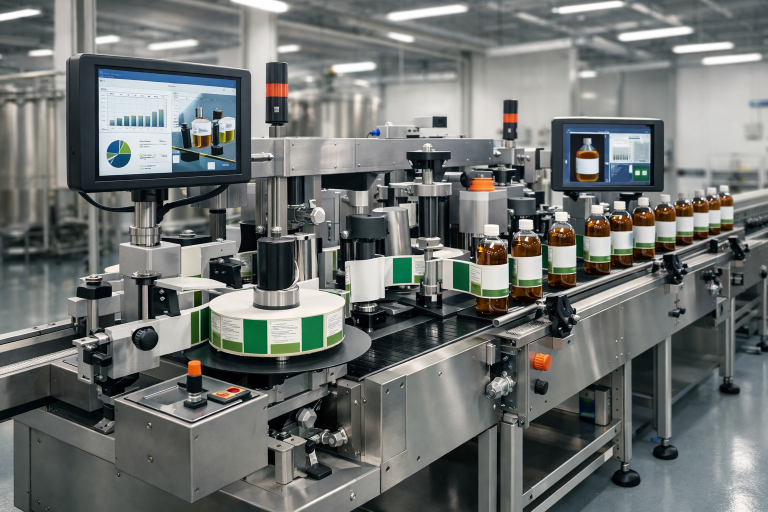
The implementation of automation technology has changed the pace and accuracy of industrial labeling. Modern labeling machines now print and apply labels at high speeds, integrating seamlessly with production lines. By minimizing manual intervention, automation reduces human error, a leading cause of labeling mistakes. Automated systems are highly programmable, enabling rapid changeovers between products and label types, making them ideal for facilities handling diverse product portfolios.
This level of automation supports traceability initiatives, helping companies respond swiftly to recalls or regulatory inquiries. It also improves productivity. Robotic technologies are advancing rapidly and are increasingly adopted across industries, including manufacturing and packaging, to ensure consistent quality and throughput.
E-Labeling and Digital Solutions
As regulatory frameworks shift, the adoption of e-labeling and digital solutions is becoming more widespread. Technologies such as QR codes, RFID tags, and Unique Device Identifiers (UDIs) are now mandated or encouraged in many jurisdictions. These digital identifiers link consumers and supply chain partners to a wealth of product information online, including updated safety warnings, usage instructions, and batch traceability data.
This migration to digital solutions not only supports compliance but also offers operational and environmental benefits. E-labeling reduces resource waste associated with printing and reprinting physical labels. It also promotes better product lifecycle management and facilitates global distribution by simplifying localization and translation needs. As reported by Forbes, these advancements are projected to accelerate further as more companies recognize the value of connecting their physical products with intelligent digital resources.
Full-Service Labeling Solutions
Many organizations benefit from partnering with full-service labeling solution providers that offer more than just printing expertise. These companies provide guidance on material selection, printing technology, regulatory requirements, and ongoing system maintenance. Such a holistic approach ensures labeling processes are streamlined from concept to application, reducing compliance risks and delays.
In regulated industries, having a single partner manage all labeling aspects simplifies vendor management, ensures continuity, and helps brands keep pace with emerging standards. This approach is particularly valuable for small and mid-sized businesses looking to scale quality and compliance efforts without maintaining a large in-house team of specialists.
Custom Automation Labeling
No two production lines are identical, particularly in industries with specialized or frequently changing products. Custom automation labeling systems are designed to address unique needs, whether they involve non-standard packaging shapes, integration with other robotics or IT systems, or multilingual label content. These custom systems ensure precision, consistency, and flexibility, enabling companies to maintain compliance as their operations evolve.
The adoption of customized automation delivers long-term savings by reducing downtime, increasing accuracy, and minimizing product waste, all vital factors in heavily regulated environments.
Future Trends in Labeling Technologies
Labeling technology continues to evolve rapidly. Looking ahead, the industry is expected to focus on enhanced automation, increased use of artificial intelligence for quality control, and the adoption of sustainable materials and processes. Smart labeling solutions that communicate in real time with enterprise resource planning (ERP) systems will become more commonplace, while sustainability will drive the development of recyclable and biodegradable labels and adhesives.
The rise of e-commerce and global distribution channels will further spur the adoption of sophisticated labeling systems that meet international regulatory requirements and consumer preferences. As sustainability concerns and digital transformation initiatives gain momentum, companies will need to be proactive in upgrading their labeling operations.
Conclusion
Modern labeling solutions underpin compliance, efficiency, and safety for regulated industries worldwide. The integration of automation and digital innovation helps firms meet changing legal demands, support traceability, and ensure consumer protection. As businesses plan for future growth, investing in advanced, full-service, and customizable labeling systems will be essential for maintaining market leadership and operational excellence.
- Designing Intuitive Dashboards for Taxi Dispatch Systems
- What Is Included in the UrgentCareKit.com Medical Emergency Kit? Complete Guide for 2026
- Does Hvacinriverview.com Install Heating Systems? A Complete Guide
- What Categories Are Available on Voddler.co.uk?
- What Features Does OneFramework Offer? A Complete Guide for Modern Web Development