
Protecting Your Driving Record: Tips on Traffic Camera Tickets

Key Takeaways
- Understanding how traffic cameras operate can help you avoid unnecessary violations.
- Staying updated on local traffic laws and utilizing technology can help reduce your risk of getting a ticket.
- Safe driving habits are your best defense against tickets that may harm your driving record and insurance premiums.
- Knowing your rights and maintaining your vehicle properly are crucial for preventing camera-related infractions.
In today’s driving environment, traffic cameras are nearly everywhere, quietly monitoring for red-light, speeding, or other traffic violations. The stakes are high, as just one ticket can result in costly fines, a blemished driving record, and higher insurance premiums. Even if you believe your driving is cautious, surveillance technology makes it easier for small mistakes to be recorded and penalized without warning. Understanding how red-light tickets affect insurance is essential so you can protect your record and your wallet.
Even careful drivers sometimes find themselves surprised by traffic camera tickets. Aside from increased attention on enforcement, new rules and technologies often catch the public off guard. With these challenges in mind, adopting a proactive approach will not only maintain a spotless record but also contribute to safer roads for everyone.
Understand How Traffic Cameras Operate
Traffic cameras are commonly installed in areas with a high frequency of accidents or violations, such as intersections, school zones, and major roadways. These systems automatically capture instances of drivers running red lights, speeding, or engaging in other infractions. Local governments use traffic cameras as part of broader initiatives to promote safe driving and reduce collisions. Many regions maintain extensive networks of red-light and speed cameras, issuing thousands of tickets each year. By becoming familiar with common camera locations and understanding how they function, you can better anticipate potential risk areas and avoid unnecessary violations.
Stay Informed About Traffic Laws and Regulations
Laws governing automated enforcement can be updated at the municipal or state/provincial level, sometimes with little public announcement. Fines, camera locations, and enforcement thresholds may change, and new technologies—such as AI-powered cameras—can significantly increase detection rates. For example, central provinces in Canada and states in the U.S. have recently overhauled aspects of their traffic laws to include heavier penalties and expanded camera networks. Regularly review local government websites, reputable news sources, and mailing lists to stay informed about ongoing changes and protect yourself from unexpected fines.
Utilize Technology to Your Advantage
Navigation and driver assistance apps, such as Google Maps and Waze, can provide real-time alerts about camera locations, police patrols, and accident-prone areas. These tools are regularly updated based on community feedback and official data. However, drivers are urged to use technology as a supplemental tool, not a primary guide—physical signs always take precedence. Emergency camera installations and portable enforcement units may not appear in your app until later. Relying on both technology and your own awareness is the most reliable strategy.
Practice Defensive Driving
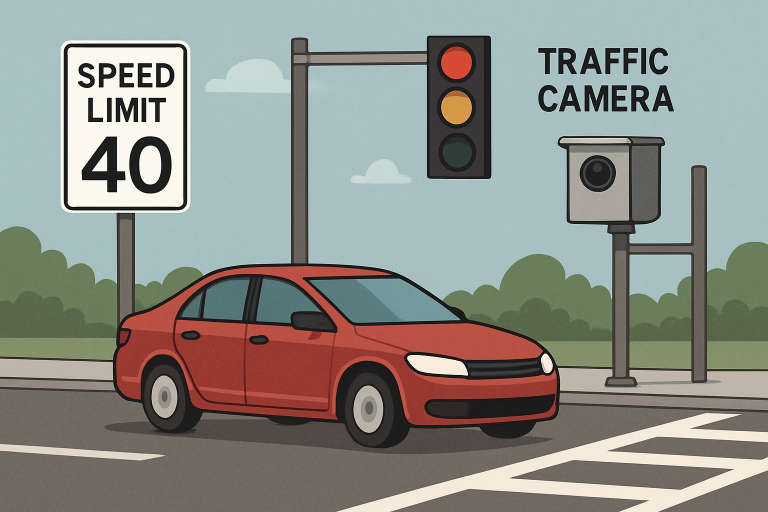
At the heart of traffic safety is the consistent practice of defensive driving. This includes consistently obeying posted speed limits, keeping a safe following distance, and stopping fully at red and yellow lights. Defensive drivers consciously avoid risky behaviors—like racing to beat the signal or rolling through stop signs—which are frequent causes of camera tickets. These habits not only keep your own record clear, but also help protect others on the road.
Be Cautious in High-Risk Areas
Some areas are particularly prone to camera enforcement. School zones, construction sites, and intersections with high collision rates nearly always have automated surveillance. These locations are intended to protect vulnerable pedestrians and moderate dangerous driving behavior. Slow down, stay alert, and look for posted signs notifying you of nearby enforcement cameras. Extra vigilance pays off most in these high-risk segments.
Regularly Check Your Vehicle’s Equipment
Many tickets result from seemingly minor equipment failures—a nonfunctional brake light, a missing license plate, or a broken signal indicator. Cameras readily capture these details, which may translate into citations or warnings. Conducting regular checks as part of your vehicle maintenance routine ensures compliance and eliminates avoidable risks. Paying attention to basic upkeep is a smart investment in avoiding traffic citations and maintaining your vehicle’s safety.
Know Your Rights and Responsibilities
If you receive a citation from a traffic camera, take the time to review the documentation carefully. Many jurisdictions provide an opportunity to review the photographic evidence and contest the ticket if you believe it was issued in error. Legal experts recommend responding before deadlines and documenting your side of the story. Challenging automated tickets is becoming increasingly common, and outcomes can vary depending on the available evidence and local policy. Visit your municipality’s official website for guidance whenever you need to dispute a camera ticket.
Conclusion
A clean driving record is invaluable—not just for keeping your insurance premiums manageable, but for offering peace of mind each time you get behind the wheel. By understanding the workings of traffic cameras, keeping updated with evolving regulations, using technological aids wisely, and prioritizing defensive driving, you can stay a step ahead of automated enforcement and protect your record for years to come.