
Efficient Real Estate: How Transaction Coordinators Manage Deals

Table of Contents
- The Role of a Transaction Coordinator
- Enhancing Efficiency and Accuracy
- Improving Communication and Client Satisfaction
- Leveraging Technology for Streamlined Processes
- Ensuring Compliance and Reducing Risk
- Supporting Agents in Competitive Markets
- Conclusion
Real estate transactions can quickly become overwhelming due to the number of steps, documents, and parties involved. A dedicated coordinator can make a marked difference in the overall experience, transforming what can be an exhausting ordeal into a streamlined, more predictable journey. For those navigating busy and often stressful transactions, a Transaction Coordinator in Oklahoma offers vital administrative support, enabling smoother processes from the initial contract through to the closing table.
By assuming responsibility for much of the administrative workload, these professionals empower agents to prioritize client engagement and deal-making. This partnership not only drives better outcomes for buyers and sellers but also boosts the efficiency and reputation of real estate professionals. The value of a knowledgeable transaction coordinator becomes even more apparent as real estate regulations and market dynamics grow more complex.
- Transaction coordinators reduce stress by ensuring necessary paperwork and deadlines are appropriately managed.
- They minimize legal risks and help maintain compliance throughout the transaction.
- Their role as a communication hub benefits both clients and agents by keeping everyone informed in real time.
- Leveraging digital tools, coordinators increase accuracy, speed, and convenience in modern real estate transactions.
Agents across the country recognize that a dedicated Transaction Coordinator can be a significant competitive advantage. Aside from saving time, their presence builds trust and improves client satisfaction in an industry where reputation matters.
The Role of a Transaction Coordinator
A transaction coordinator is responsible for overseeing the administrative elements of a real estate deal. Their tasks often include preparing and submitting paperwork, carefully tracking every deadline, and ensuring that all documentation is accurate and compliant. A transaction coordinator serves as the vital link between buyers, sellers, agents, lenders, attorneys, and other parties, ensuring none of the moving parts fall through the cracks.
- Document management and submission from offer to closing.
- Coordinating inspections, appraisals, and other critical appointments.
- Monitoring transaction milestones and deadlines.
- Communication and updates between all involved parties.
- Making sure that all aspects comply with legal and regulatory requirements.
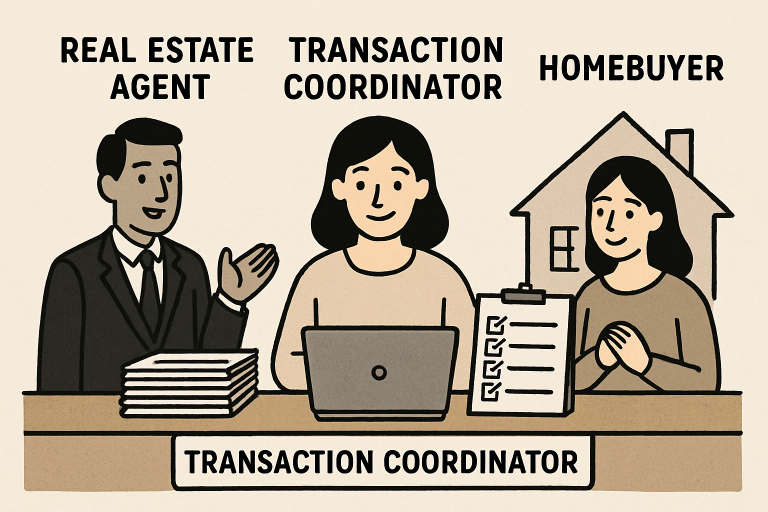
By handling these essential yet time-consuming tasks, transaction coordinators enable agents to focus on client relationships, negotiation, and business growth.
Enhancing Efficiency and Accuracy
Transaction coordinators rely on organized workflows and detailed checklists to streamline the buying and selling process. Their methodical approach significantly reduces the risk of missed steps or overlooked documents, both of which can lead to delayed closings or failed transactions. Coordinators also provide agents and clients with reassurance, knowing that critical tasks, such as contract delivery, compliance checks, and disclosure filings, are completed on time and in accordance with the rules.
Accuracy is crucial in real estate, as even minor errors in documentation or deadline management can have significant legal and financial consequences. A skilled coordinator’s attention to detail ensures a higher rate of successful closings and fewer complications and disputes along the way. According to the National Association of Realtors, consistent and error-free transaction management is a key factor in client satisfaction and referral rates.
Improving Communication and Client Satisfaction
Keeping all parties updated is essential, especially as deals become more complex or involve multiple steps and outside professionals. Transaction coordinators act as the single point of contact, providing timely updates, reminding parties about next steps, and clarifying documentation requirements. This constant communication is vital to client confidence and peace of mind throughout the transaction.
For agents, knowing their clients and cooperating partners receive consistent, personalized communication gives them more bandwidth to focus on prospecting and relationship-building. In an industry built on trust and connections, this can mean the difference between a one-time deal and ongoing business.
Leveraging Technology for Streamlined Processes
Technology has allowed transaction coordinators to boost both their effectiveness and the customer experience. Platforms such as DocuSign, Dotloop, and cloud-based document management software enable quick document signing, tracking, and storage. These tools also allow remote coordination around the clock, offering flexibility for clients and agents. Video conferencing and instant notification systems further reduce uncertainties and eliminate the need for repeated in-person meetings.
With digital solutions making document handling and communication more transparent, real estate transactions can proceed more quickly and securely than ever before. Articles from Inman cover how technology is helping both small brokerages and top-producing agents scale their businesses and maintain compliance with greater ease.
Ensuring Compliance and Reducing Risk
With regulatory requirements differing from state to state and from deal to deal, compliance remains a significant challenge. Transaction coordinators mitigate this risk by staying up to date with changing rules and meeting every submission deadline. Their expertise reduces the risk of missed disclosures, which can expose agents and clients to costly errors or litigation. The coordinator’s dedication to proper record-keeping also ensures that all paperwork can be easily retrieved in the event of audits or disputes, providing an additional layer of protection.
Supporting Agents in Competitive Markets
Agents working in fast-paced or highly competitive markets must allocate their time and resources effectively. By assigning the administrative side of transactions to a coordinator, agents can focus on attracting new listings, negotiating contracts, and nurturing client relationships. This support system not only allows agents to manage more deals simultaneously but also leads to higher client satisfaction and a greater likelihood of positive referrals.
Whether managing a few transactions or dozens at once, having a transaction coordinator is a practical investment for growth-minded agents. It ultimately delivers greater value to clients and strengthens the entire business.
Conclusion
Transaction coordinators are indispensable for making real estate transactions more predictable, professional, and client-focused. Their ability to manage details, ensure compliance, and facilitate communication is vital for all parties in a real estate deal. As the real estate landscape continues to evolve, leveraging a coordinator’s expertise ensures agents remain competitive while delivering a premium experience to homebuyers and sellers alike.