
Effective Strategies for Selling Your Home Quickly in Any Market

Key Takeaways
- Understanding current market conditions helps you set expectations and guide your selling strategy.
- Upgrading curb appeal and staging can draw in more buyers.
- Strategic pricing and effective marketing accelerate sales.
Successfully selling your home in today’s real estate market requires careful planning, attention to buyer preferences, and an understanding of changing trends. Regardless of whether the market favors buyers or sellers, you can increase your chances of a quick sale by focusing on effective strategies. If you are looking for immediate results, consider resources like https://www.brighthomeoffer.com/sell-my-house-fast-clayton-nc/, which provides tailored solutions for selling your home quickly in specific areas. Combining knowledge, preparation, and active marketing is essential to ensure your property sells as quickly as possible.
Every homeowner’s situation is unique, but you can maximize your opportunities by focusing on three key factors: presentation, pricing, and negotiation. A proactive approach can generate interest and encourage buyers to make more competitive offers. By implementing proven strategies, regardless of current market conditions, you can gain an advantage.
Staying informed about buyer trends, utilizing professional services, and being flexible in negotiations can make the difference between a home that sits on the market and one that sells quickly.
Enlisting professional help and using online resources can also broaden your reach to the right buyers. Websites like brighthomeoffer.com offer additional tools and guidance, making it easier for homeowners to navigate the selling process with confidence, even in challenging markets.
Understanding Market Conditions
Before putting your house on the market, get familiar with local and national sales trends. In 2024, for example, U.S. existing home sales hit a historic low due to steep mortgage rates and a limited pool of available homes. As 2025 progressed, those rates eased, and inventory grew, quickening the pace of sales in many regions. Monitoring data from major outlets can help you spot these market shifts and set realistic expectations for your home sale.
Enhancing Curb Appeal
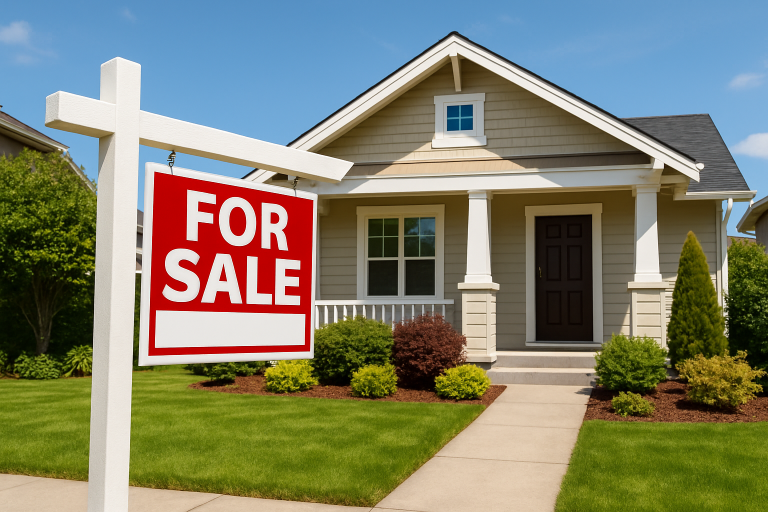
A home’s exterior has an enormous influence on whether buyers schedule a showing. Simple steps like applying a fresh coat of paint to the front door, trimming shrubs, keeping mulch beds tidy, and pressure-washing siding can create a welcoming first impression. Landscaping improvements and a spotless entrance signal to buyers that the home is well-maintained. When housing activity is slow, prioritizing curb appeal can capture the attention needed to sell quickly.
Staging Your Home
Staging your living spaces is about allowing buyers to imagine their lives in your home. Decluttering, freshening up paint in neutral tones, arranging furniture for optimal flow, and adding small touches like flowers or updated lighting can make a space more appealing. Homes that are thoughtfully staged typically sell faster and for more money, with real estate websites and experts recommending this approach for both hot and cold markets. In competitive markets, good staging can be the deciding factor for buyers weighing multiple properties.
Pricing Strategically
Setting the correct price is crucial. Overpricing your home can stall interest, while underpricing it may prompt buyers to question its value. Use a Comparative Market Analysis (CMA) to identify similar properties and their recent sale prices. Pricing just a bit below market value may spur more interest, sometimes resulting in multiple offers and a higher final sale price.
Investing in Professional Photography
With most buyers beginning their search online, high-quality photos are vital. Professional real estate photographers can showcase your home’s strengths by optimizing lighting, composition, and angles to captivate more potential buyers. Listings that feature professional photography consistently get more online views and showings, which leads to more offers in less time.
Implementing Effective Marketing Strategies
Diversifying your marketing efforts can make all the difference in a crowded marketplace. Start with the Multiple Listing Service (MLS) to reach agents and buyers searching in your area. Use social media platforms and real estate websites to broaden your reach. Additionally, virtual tours and video walkthroughs offer buyers remote access to your home, making it easier for them to envision living there. Coordinating these efforts ensures your listing stands out and reaches a wider pool of interested buyers.
Being Flexible in Negotiations
Negotiations in a slow market can become more intricate, as buyers often expect more concessions. Remaining flexible, covering closing costs, offering repair credits, or adjusting timelines can result in a quicker sale. Preparing for and accommodating reasonable requests can also build goodwill, leading to smoother transactions. Flexibility demonstrates your willingness to work with buyers, increasing the likelihood of a successful agreement.
Timing Your Listing
Listing timing affects how many buyers see your home. Traditionally, spring and early summer attract more buyer activity, but monitoring local inventory and economic news can help you find the best moment to launch your listing. Adapting your timing to coincide with peak seasons and favorable economic conditions ensures your property receives maximum exposure right when buyer demand is highest.
Conclusion
Following these strategies can help you position your home for a fast, successful sale, no matter which way the market is trending. With thoughtful preparation, flexible negotiation, and targeted marketing, you can attract serious buyers and achieve the best possible outcome for your unique real estate goals.