
Luxury Real Estate Trends Homebuyers Should Know
Key Takeaways
- Affluent millennials are significantly influencing the luxury real estate market with their unique preferences.
- The integration of biohacking amenities is becoming a standard in high-end homes.
- All-cash transactions are reshaping the dynamics of luxury property sales.
Table of Contents
- The Rise of Affluent Millennials in Luxury Real Estate
- Biohacking Amenities: The New Standard in Luxury Homes
- All-Cash Transactions: Shaping the Luxury Market
- Functional Spaces: A Post-Pandemic Priority
- Emerging Markets: New Hotspots for Luxury Buyers
- Sustainable Living: A Growing Demand
- Technology Integration: Smart Homes on the Rise
- Conclusion
In the dynamic world of luxury real estate, staying informed about current trends is essential for prospective buyers aiming to make sound investments. Canada | Valenti & Associates, a premier real estate team based in Naples, Florida, exemplifies integrity, energy, professionalism, and creative service in every detail of the real estate transaction. Their expertise spans Port Royal, Aqualane, Coquina Sands, Moorings, and Park Shore. For those seeking guidance in the luxury market, consulting with Naples FL real estate experts Canada | Valenti & Associates can provide invaluable insights.
The Rise of Affluent Millennials in Luxury Real Estate
Millennials are poised to inherit approximately $68 trillion from their Baby Boomer parents, marking a significant shift in the luxury real estate market. This generation values properties that offer modern amenities, open floor plans, and proximity to urban centers. Understanding their preferences is key for sellers and agents aiming to cater to this influential demographic. Beyond investment motivations, affluent millennials are also more likely to seek homes that serve as both sanctuaries and status symbols. They often prioritize connectivity, experiences, and accessible luxury, favoring high-tech features, integrated wellness zones, and sustainable architecture. Moreover, this demographic is especially attuned to digital platforms, relying on virtual property tours, high-resolution photography, and interactive walkthroughs throughout the homebuying process. Real estate professionals are adapting their marketing strategies accordingly by leveraging social media and immersive technologies to engage millennial buyers more effectively.
Biohacking Amenities: The New Standard in Luxury Homes
High-end buyers are increasingly seeking homes equipped with biohacking amenities, features designed to enhance health and longevity. These may include advanced air and water purification systems, infrared saunas, and dedicated meditation spaces. Integrating such wellness-focused technologies can significantly elevate a property’s appeal to health-conscious individuals. Further to this, luxury homeowners are now requesting cold plunge pools, circadian lighting systems that adjust throughout the day, and dedicated fitness studios with cutting-edge equipment. The integration of anti-aging technologies and personalized wellness systems directly into home infrastructure enables residents to nurture their health without leaving their private sanctuary. Elite buyers are also employing in-house nutritionists or wellness consultants to design kitchens and home gyms that support optimal physical and mental well-being. As biohacking gains popularity, homes with these features often stand out in the market, commanding premium prices and attracting significant interest from global buyers.
All-Cash Transactions: Shaping the Luxury Market
The prevalence of all-cash purchases in the luxury sector is influencing market dynamics. In regions like Washington, D.C., 21% of luxury home sales in 2023 were all-cash deals, up from 17% in 2022. This trend is driven by affluent buyers seeking to avoid high mortgage rates and expedite transactions, intensifying competition and pushing up property prices. All-cash transactions are appealing not only to sellers, who appreciate the expedited closing timeline and reduced risk of financing issues, but also to buyers, who can negotiate more assertively. When buyers are prepared to purchase outright, their offers stand out in competitive markets. International investors, in particular, prefer this method for its efficiency and privacy. Additionally, the presence of all-cash buyers is influencing regional price points. In high-demand areas, sellers may prioritize these offers over those that require financing, contributing to a swift rise in average sale prices. Monitoring the frequency of these transactions can offer clues to broader economic shifts in the luxury property landscape.
Functional Spaces: A Post-Pandemic Priority
The COVID-19 pandemic has reshaped homebuyers’ priorities, with a heightened emphasis on functional spaces. Features such as home offices, gyms, and versatile living areas have become essential. Properties offering these adaptable spaces are more attractive to buyers seeking comfort and practicality in their living environments. Luxury home designs are now evolving to include multipurpose rooms or seamless indoor-outdoor transitions, allowing residents to shift effortlessly from remote work to leisure. There’s growing demand for soundproofed offices, dedicated homeschooling areas, and private spas. These changes are not just about flexibility but also about ensuring that everyday living supports productivity and relaxation. Modern luxury homes that feature innovative layouts, adaptable furniture, and convertible spaces are quickly becoming the preferred choice for families and remote workers alike.
Emerging Markets: New Hotspots for Luxury Buyers
While traditional luxury markets like New York and Los Angeles remain popular, emerging locations are gaining traction among affluent buyers. Cities such as Miami, Dubai, and Lisbon offer favorable tax conditions, vibrant cultures, and investment potential, making them attractive alternatives for luxury real estate investments. Global economic shifts and increased mobility among high-net-worth individuals have led to a surge of interest in properties located in regions with strong reputations for quality of life and future growth. Locations such as Austin, Texas; Vancouver, British Columbia; and various Caribbean islands are also attracting international buyers. Factors such as political stability, residency incentives, and year-round pleasant climates are driving these relocations. As these markets mature, they offer early investors the opportunity for impressive appreciation and unique lifestyle offerings distinct from more established hubs.
Sustainable Living: A Growing Demand
Environmental consciousness is influencing luxury real estate trends, with buyers seeking eco-friendly homes. Features like solar panels, energy-efficient appliances, and sustainable building materials are becoming standard expectations. Properties that align with these values not only appeal to environmentally conscious buyers but also offer long-term cost savings. Advanced green certifications, such as LEED or WELL, are more frequently sought after in high-end real estate listings. Luxury developments now routinely incorporate geothermal heating and cooling, rainwater harvesting, and energy monitoring systems. Landscaping often integrates native plant species and smart irrigation to minimize water usage. These sustainable features not only help reduce a property’s environmental footprint but also enhance its long-term marketability as green living becomes mainstream among luxury buyers.
Technology Integration: Smart Homes on the Rise
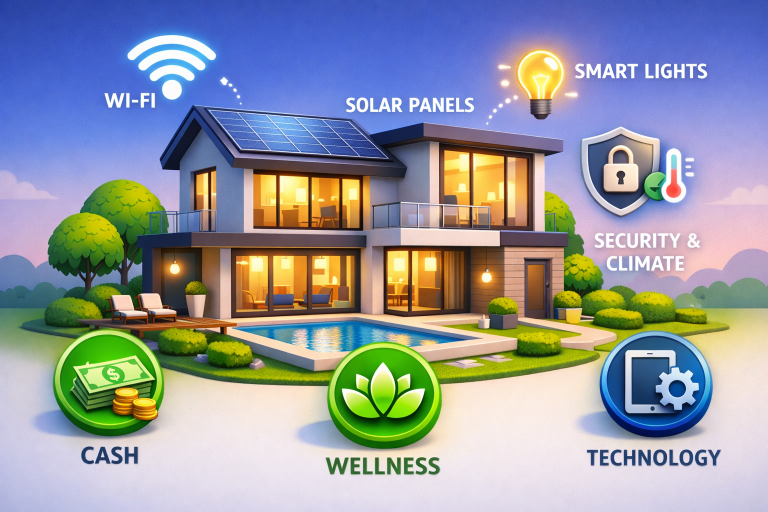
The integration of smart home technology is a significant trend in the luxury market. Buyers are looking for properties equipped with advanced security systems, automated lighting, climate control, and entertainment systems. These technologies enhance convenience, security, and energy efficiency, adding substantial value to high-end properties. The latest smart homes also feature voice-activated controls, AI-powered appliances, and personalized automation routines tailored to owner preferences. Touchless entry systems, remote monitoring, and digital concierge services are quickly becoming expected features. As 5G connectivity and IoT devices expand, luxury properties are transforming into seamless, highly responsive living environments that adapt in real-time to their occupants’ needs, further boosting their appeal.
Conclusion
Staying abreast of these evolving trends is essential for both buyers and sellers in the luxury real estate market. By understanding and adapting to these preferences, stakeholders can make informed decisions that align with current demands and future projections.
- Designing Intuitive Dashboards for Taxi Dispatch Systems
- What Is Included in the UrgentCareKit.com Medical Emergency Kit? Complete Guide for 2026
- Does Hvacinriverview.com Install Heating Systems? A Complete Guide
- What Categories Are Available on Voddler.co.uk?
- What Features Does OneFramework Offer? A Complete Guide for Modern Web Development